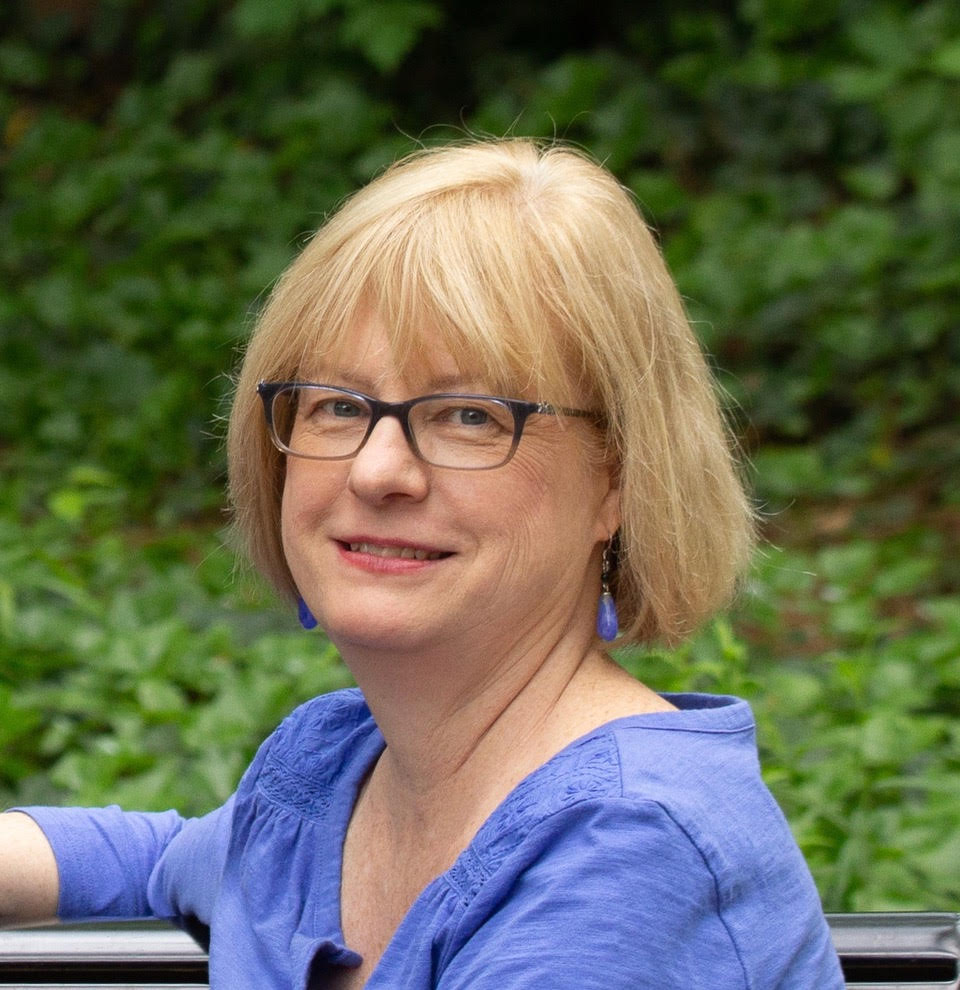
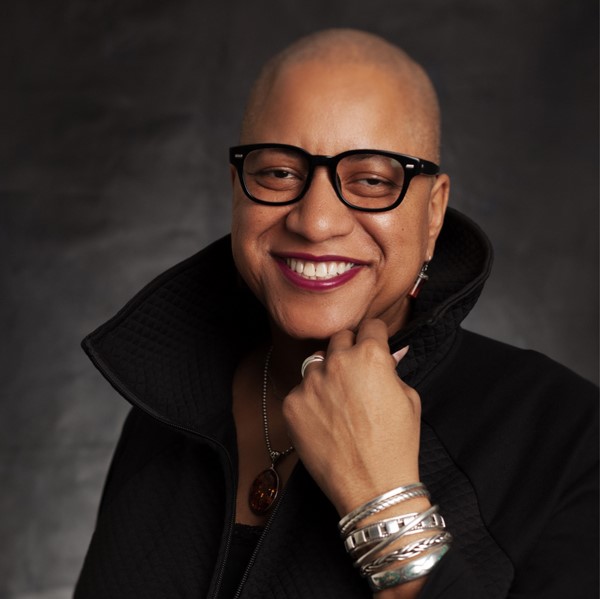
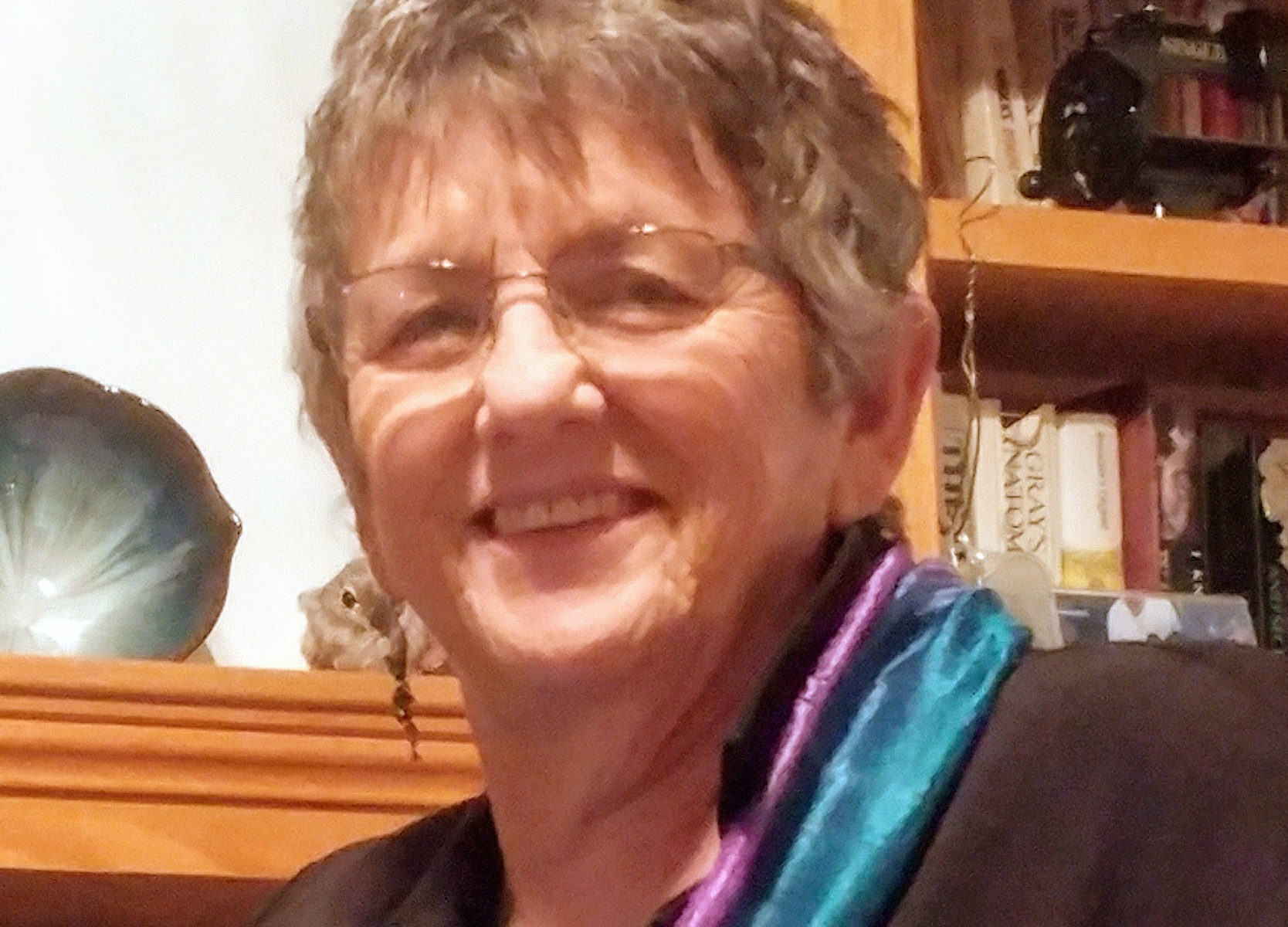
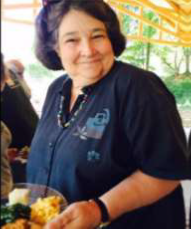
Lisa is a psychotherapist in private practice, a poet, writer, and activist. She is a long time member of the First Existentialist Congregation. She has been a student of Zen Master Thich Nhat Hanh since 1999 and has studied with many other Buddhist teachers. Lisa incorporates feminism, existentialism, mindfulness, compassion and a social justice perspective in her therapy practice. She also trains therapists how to use mindfulness in their lives and professional practices. Lisa is a cofounder of the Avondale Alliance for Racial Justice and on the leadership team. For info, see AA-RJ.org. You can download her CD, Mindful Meditations for Well Being, for free at www.wellbeingpsychotherapy.net.
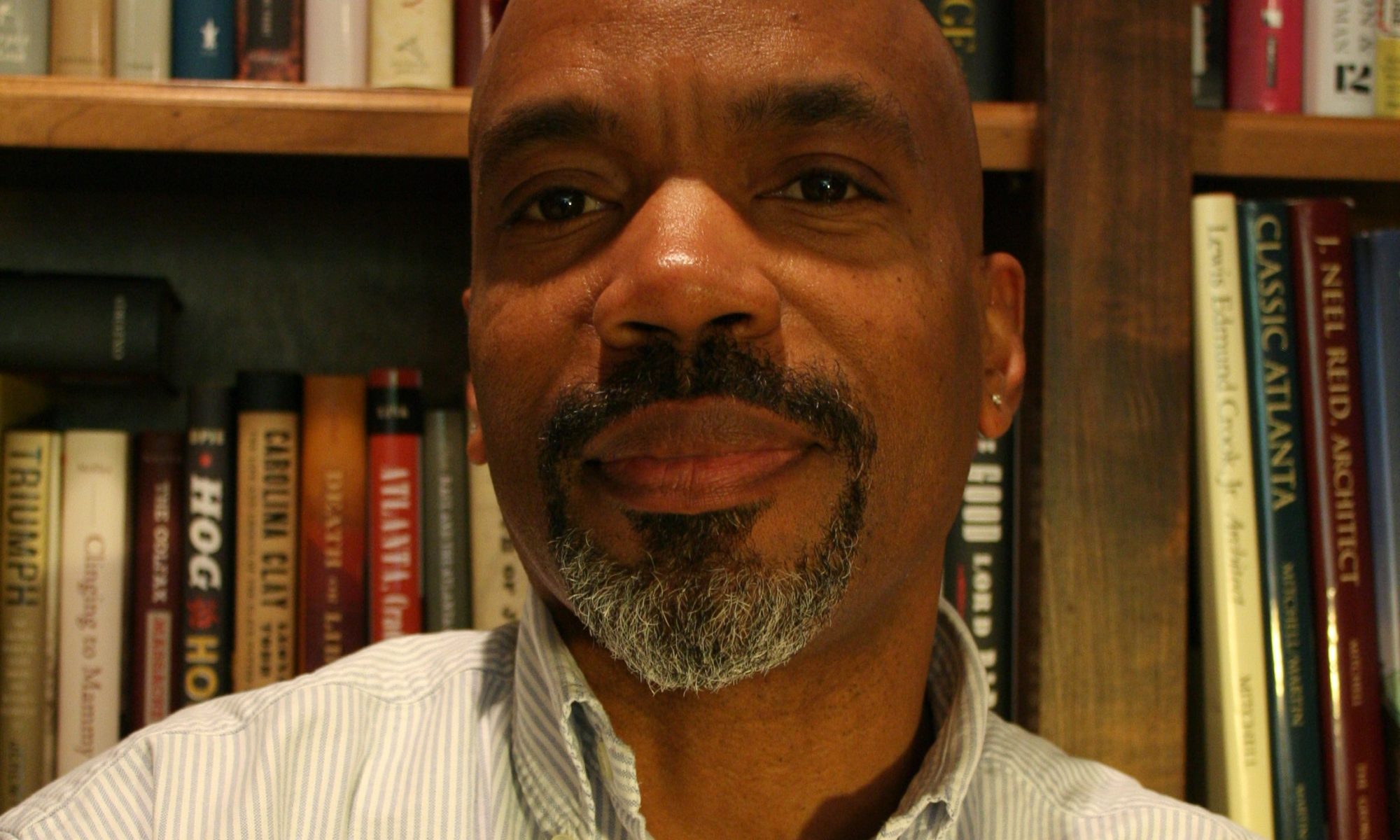
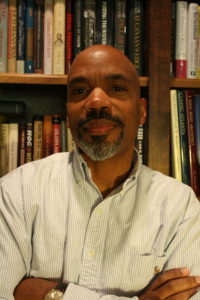
Anthony Knight is the President & CEO of The Baton Foundation, a Georgia nonprofit organization that serves the emotional, intellectual and cultural needs of Black boys in grades five through nine. Before founding the Foundation, Mr. Knight worked for twenty-two years as a museum educator and consultant.
Mr. Knight has extensive experience with and interest in African-American history and culture, public and living history, informal education and Black youth. Mr. Knight’s work with The Baton Foundation reflects his ongoing interest in the issues and practices related to the collecting, preservation and interpretation of information about and material culture from the African Diaspora.
Mr. Knight’s undergraduate work was in Spanish and English (Ohio Wesleyan University), and his graduate work was in museum education (The George Washington University). Mr. Knight also holds a degree in Spanish-to-English translation from the Núcleo de Estudios Lingüísticos y Sociales, Caracas, Venezuela. Mr. Knight is a New York City native.
Rev. Kimble Sorrells is an ordained minister in the United Church of Christ, with a ministry in contemplative practices focused on equipping us with the peace and resolve to be justice makers in the world. They are also a Registered Yoga Teacher and draw on this and other spiritual traditions to inform their ministry. As a Bi-vocational minister, Kimble also works with Lifeline Animal Project as the Community Programs Manager, guiding caseworkers as they assist pet owners in times of challenge.
Kimble has experience in variety of ministry setting. They have worked in LGBTQ advocacy for many years including as staff for Reconciling Ministries Network and the Atlanta Pride Committee. They currently serve on the Mayor’s LGBTQ Advisory Board and work primarily in advocacy with the Transgender community.
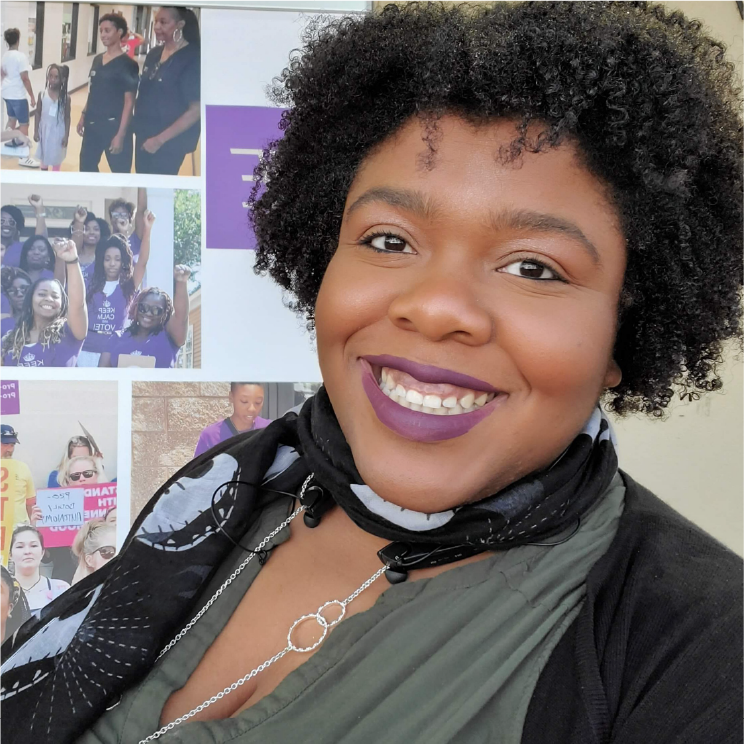
Michelle (they/them/she) is a Black, queer woman born and raised in Kansas City, Missouri (KCMO). They have worked in social justice, community engagement, and politics for over 14 years. They started their journey as a teenager as the first Black woman appointed Chairman of the KCMO Youth Commission, where they led a team of young people who created policy recommendations for the city government. They went on to study political science in Little Rock, Arkansas at Philander Smith College.
They were a founding member of the first Gay-Straight Alliance at a Historically Black institution in Arkansas. Afterward, they worked in the Social Justice Institute at Philander Smith College managing programs and events in social justice education for the campus and community at large. Michelle worked closely with the Human Rights Campaign to advance rights and visibility for Black LGBTQ+ folks. While in Arkansas, they were appointed to the Arkansas Coalition for Juvenile Justice, where they served to inform policy pertaining to incarcerated young people. Michelle was also a board member of Women Lead Arkansas, an organization geared toward the inclusiveness of women in political engagement.
Michelle is now a resident of Atlanta, GA, and is set to receive their Masters in Political Science from Clark Atlanta University. Currently, they serve as a 2021 Reproductive Health Rights, and Justice Fellow with the Rockwood Leadership Institute to deepen their commitment to movement and leadership development. They are excited to bring together their passions and education to fulfill the mission and vision of Women Engaged. In their free time, Michelle enjoys crochet, playing/streaming video games, and connecting with loved ones.
Michelle is the Chief Operations Officer of Women Engaged, an initiative that uses a creative, hands-on learning approach to advancing Black women’s human rights, youth empowerment and civic engagement efforts in Georgia.
“Little David’s Harp: The Transformative Power of Music”
Rev. Angela Denise Davis is an ordained minister, arranger/ composer and a music educator. She is the founder of Uke Griot, a program that offers ukulele instruction focusing on awakening musical skills, increasing social engagement, and fostering joy in making music. Her musical arrangements are largely focused within the domain of Negro spirituals and blues. In addition, she has a broad interest in using the ukulele as a conduit for spiritual practice, meditation and healing. She joined forces with ZAMI NOBLA (National Organization of Black Lesbians on Aging) in May 2019 to create and direct a community music program, Uke-In, that welcomes all persons, with targeted outreach to the LGBTQ community. She is a James Hill Ukulele Initiative (JHUI) certified teacher.
Like so many adults, Angela took piano lessons for many years as a child and was involved in the middle school chorus but discontinued her music instruction after high school. She had a profound loss of vision in 2003 which left her legally blind and caused her to rethink how to engage music. She ultimately discovered the ukulele in 2016, and it changed her life. She believes that almost anyone can learn to play the ukulele and reap a wealth of benefits from music instruction. Angela is especially interested in using music as a tool to help older adults reignite their passion for music making.
She is a graduate of Clark Atlanta University where she earned a B.A. in Art. She also holds a Master of Divinity from Vanderbilt University Divinity School, and a Master of Science in Rehabilitation Counseling from Georgia State University
It’s always a good time to be a Unitarian and to be a Universalist, as it helps us view everyone in the same light. But with the “existential threats” to our democracy, to our health, and to our planet, we need all the more to value the moment we have to live, to love, to participate in our community, and to preserve this beautiful earth and all who live on it. After publishing a dozen books, serving a series of progressive parishes, and ten years writing a blog called ‘Progressive Christian Reflections,” Rev. Chris Glaser retired earlier this year to embrace a kind of spiritual silence. This will be his first presentation since his retirement. He is grateful for the opportunity. http://chrisglaser.com; http://chrisglaser.blogspot.com
Our Fellowship Minister, Rev. Marsha Mitchiner, has served the Congregation for over two decades, since ordination by us, following her study with Lanier Clance. She counsels, connects, and contacts members and friends, and for those who need it, performs the laying-on of hands in her role as a massage therapist. Many of us can vouch for the quality of her work, and appreciate the wisdom, restraint, and compassion she brings to the job of caring for our Congregation.
Marsha speaks once each quarter, and helps smooth the functioning of the Congregation innumerable times in between.
A founding member of Alternate ROOTS, a service organization for community-based artists in the South, deNobriga served as ROOTS’ executive director and planning/development director for ten years. She continues to serve on the working on various committees as needed, and sharing the institutional memory of 40 years of continuous membership.
Raised in Kingsport TN, deNobriga holds an M.A. in Theatre (Directing) from Wake Forest University in Winston-Salem, NC, and a B.A. with honors in Speech Communications and Theatre Arts. Her early employment included directing and managing community theatres in Smithfield and Sanford, NC and performing with The Road Company, a professional ensemble in Johnson City, TN.
DeNobriga was a Visiting Artist for two years for the NC Arts Council, and a Fellow in the Rockefeller Foundation’s Next Generation Leadership program and in the Rockwood Leadership Institute.
She is now a consultant, specializing in strategic planning, building organizational capacity, designing staff/board retreats and guiding creative conflict engagement. She trained as a mediator at the Atlanta Justice Center and is a board member for Arts & Democracy and Alternate ROOTS. She served two terms as Councilmember and one as Mayor for the City of Pine Lake, where she lives with her wife Alice Teeter, published poet and bon vivant.
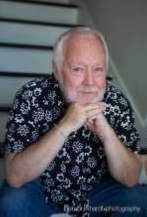
Franklin Abbott has been a practicing psychotherapist in Atlanta for nearly forty years. He is also a poet, musician, community organizer and amateur oral historian. His connection to the Congregation and Old Stone Church goes back more than 40 years to early urban radical faery gatherings held in the sanctuary before First E became its steward. He has spoken at First E many times, performed music and poetry there, coordinated events and memorials. He and First E founding minister Lanier Clance were close friends and co-hosted an eclectic existential radio program on WRFG for over five years in the mid- ’80s. His current project is a double CD of 44 original poems and 14 original songs titled Don’t Go Back to Sleep.
Hanukkah, the Jewish festival of Lights,, began early this year, at the end of November. Nonetheless the theme resonates beyond the holiday week. An exploration of the seemingly simple act of lighting candles which has been both dangerous and courageous.
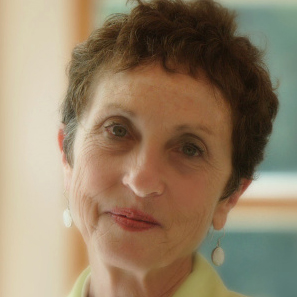
Rev. Marti Keller has been a parish, community and social justice minister for more than 23 years. Her “Jewnitarian” involvements include co-editing “Jewish Voices in Unitarian Universalism,” and other UUA publications around the Jewish source of our living tradition. She has been the President of UUs for Jewish Awareness and is currently a member. She is part of a ministerial team launching an online Mussar Jewish values program in 2022. She is also past vice president of the Society for Humanistic Judaism and serves on the advisory team for the international Secular Synagogue.